
English| EUR
Suggested for you
More currencies
Choose a language
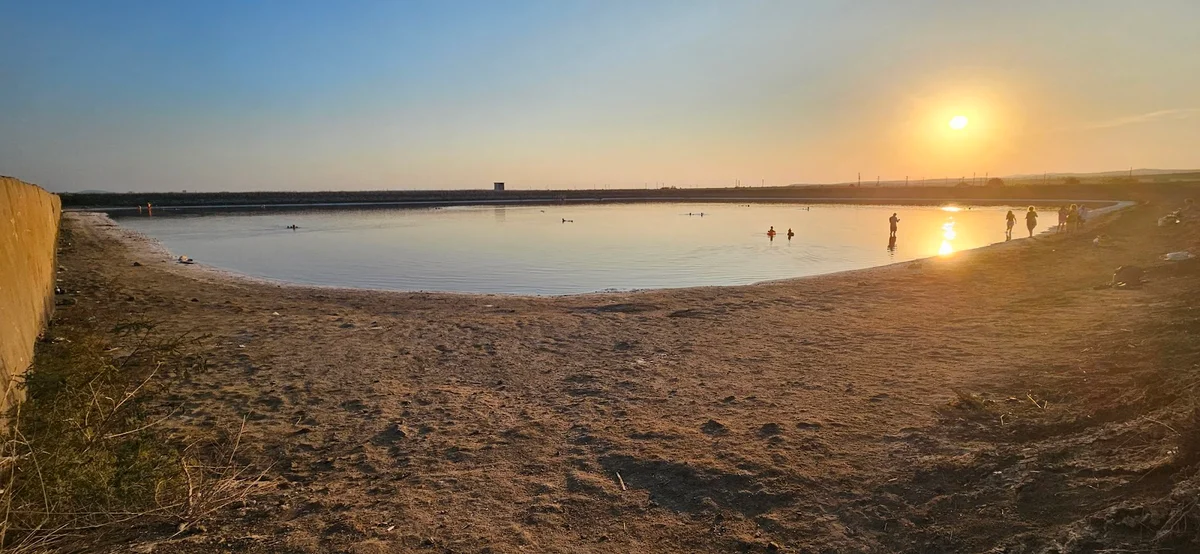
Pomorie Lake delivers one of the Black Sea coast's most accessible natural therapies: mineral-rich mud you apply directly from the shore, free of charge and open year-round. The lake's hypersaline environment concentrates sulfur, magnesium, and trace minerals into a dense black sediment used for joint relief, skin conditions, and rehabilitation. This guide covers how the mud works, when to visit for the best results, and what to expect at the public bathing area near the Salt Museum.
Quick answer
The pomorie lake mud bath is free to access every day of the week, with no entrance fee or advance booking required. The public bathing area near the Salt Museum remains open 24 hours, though morning arrival between 08:00 and 11:00 allows the applied mud to dry effectively in the sun before afternoon heat peaks. Visitors collect mud from the shallows, coat exposed skin, then rinse in the lake after 15 to 30 minutes of drying time.
The mud itself forms through millennia of evaporation and microbial activity in a closed lagoon separated from the Black Sea by a narrow sand bar. What distinguishes Pomorie Lake from ordinary seabed sediment is salinity exceeding 30 grams per liter — three times the concentration of open ocean — and a pH hovering near 7.8, alkaline enough to soften keratin without irritating intact skin. The result is a fine-grained paste dense with hydrogen sulfide, calcium, potassium, and bromide, compounds absorbed transdermally during the drying phase. Historically, the lake supplied Bulgaria's state sanatoriums with raw material for peloid therapy, a clinical term for heated mud packs used in rheumatology and dermatology wards. Those facilities still operate inland, but the shore itself has remained a no-cost alternative since the socialist era, when local workers would coat themselves during lunch breaks and return to the salt-harvesting pans. Today the ritual follows the same sequence: wade knee-deep into the shallows near the northern access point, scoop handfuls of black sediment from the lakebed, apply a thin even layer to limbs and torso, then walk back to the grass margin to let the sun bake the coating dry. The drying triggers mild tightening of the skin as water evaporates and mineral salts crystallize on the surface. Timing the visit to the lake's daily rhythm improves comfort and outcome. Early morning light heats the mud gradually, avoiding the discomfort of midday application when surface temperatures exceed 35 degrees Celsius and the coating dries too quickly to allow mineral absorption. Late afternoon visits work for those who tolerate slower drying, though the lake breeze after 16:00 can leave the layer tackling before it fully hardens. Seasonal variation matters less than daily weather: overcast days extend drying time, while steady sun in any month delivers results within twenty minutes. The therapeutic effect — reduced inflammation in joints, temporary relief from psoriasis plaques, softened scar tissue — appears after repeated applications rather than a single session, which is why regulars return weekly during summer residence on the coast. The experience itself is informal and unmediated. No staff patrol the shore, no cabins offer changing space, and no freshwater showers rinse the salt afterward. Visitors bring towels, drinking water, and a second set of clothing, leaving valuables in the car. The lake's density makes swimming impractical — the body floats high, and the sediment clouds vision underwater — so most bathers remain in the shallows, reapplying mud to areas that dry first. The lack of infrastructure keeps the site free and open, but it also means preparation falls entirely to the individual.
“The drying phase triggers mineral absorption as water evaporates and salts crystallize directly on the skin.”
The public mud bath area at Pomorie Lake remains accessible to visitors throughout the entire week.
The public mud bath area is located at Pomorie Lake, adjacent to the Salt Museum in Pomorie, Bulgaria. Visitors can reach the site easily via local roads or by walking from the town center.
Follow Route 9 to Pomorie and exit toward the Salt Museum
Take a local bus to Pomorie and disembark at the Salt Museum stop
Follow the signs along the coastal path toward the Salt Museum
Parking is available near the Salt Museum, which serves as the primary landmark for locating the public mud bath area. Follow the marked pedestrian pathways directly from the museum grounds to the lake edge.
The therapeutic mud of Pomorie Lake is applied directly to the skin, allowed to dry under the sun, then rinsed away to reveal softer skin and deliver mineral absorption. The full cycle from application to final rinse typically takes 45 to 60 minutes.
Walk along the western shore of Pomorie Lake near the Salt Museum to find the designated mud application zone. Many visitors miss the marked access path and walk too far south toward the residential area.
Wade into the lake edge where the dark, mineral-rich mud accumulates and gather it with your hands or a container. Avoid the lighter sediment near the reeds—it lacks the therapeutic density of the true liman mud.
Spread the mud generously over your skin, covering areas that need treatment but leaving your face clear unless you're targeting specific conditions. A thin layer dries too quickly and cracks before the minerals penetrate.
Find a flat spot on the lakeshore and remain still for 20 to 30 minutes while the mud hardens into a gray crust. Moving or sitting up before it fully dries will cause uneven mineral transfer and mess.
Wade back into the shallow water and use your hands to gently remove all dried mud, checking behind your knees and elbows where it clings. Leaving residue on your skin can cause irritation once you dress.
Pomorie Lake is a hypersaline coastal lagoon known for its curative lye and iron-rich healing mud. These natural resources are utilized for their documented therapeutic properties in treating musculoskeletal and dermatological conditions.
The mud contains high concentrations of hydrogen sulfide, magnesium, calcium, and iron, which penetrate the skin to promote anti-inflammatory effects.
This curative mud is formed by the decomposition of organic matter, including plankton and microorganisms, over many years at the lake bottom.
Therapeutic applications are frequently sought to assist with chronic joint pain, osteoarthritis, and various skin conditions like psoriasis.
The lye, a byproduct of salt production, contains rich mineral salts and microelements that assist in muscle relaxation and joint mobility.
The healing properties of the lake were documented as early as the 20th century, leading to the development of specialized mud treatment centers in the region.
The high salt content creates an osmotic effect that helps draw out toxins and excess fluid from body tissues during application.
Bring a few essentials to make the most of your mud bath experience at Pomorie Lake.
Everything you need to know about pomorie lake mud bath
Access to the public mud bath is completely free of charge. You do not need to pay an entrance fee to utilize the natural resources found at the pomorie lake mud bath site.
The area is open to the public from 00:00 to 23:59 every day of the week. This allows visitors flexibility when planning their trip to the pomorie lake mud bath location.
We recommend arriving between 08:00 and 11:00 to ensure the mud dries properly on your skin. Visiting the pomorie lake mud bath during these morning hours avoids the intense heat of the afternoon sun.
Children are welcome to accompany their parents to the site. Please ensure they are supervised at all times while exploring the salt pans and applying the natural mud.
The site is situated at Pomorie Lake, directly near the Salt Museum in Pomorie, Bulgaria. It is easily accessible for those exploring local landmarks and mineral-rich extraction zones.
You should bring a towel, old swimwear that you do not mind staining, and plenty of water. Many visitors also bring flip-flops to protect their feet while walking across the salt crust and soft sediment.